
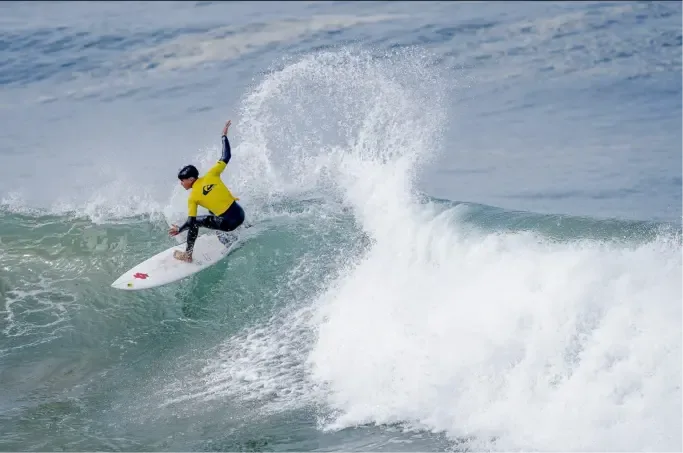
Discover why Imsouane is one of Morocco's most famous surfing destinations. From the legendary long rides of Magic Bay to the faster waves of Cathedral Point, this complete guide explains where to surf, when to visit, which equipment to use and how to enjoy the best possible surf experience.
Imsouane is a world-renowned surf destination on Morocco's Atlantic coast. Its main attraction is Magic Bay, a long right-hand point break known for its relatively mellow sections and extended rides. On the other side of the village, Cathedral Point offers a more exposed and powerful wave for surfers seeking a greater challenge. With surf schools, board rentals, local surf camps and beautiful ocean scenery, Imsouane welcomes beginners, intermediate surfers and experienced wave riders.
- Destination
- Imsouane, Morocco
- Surfing region
- Moroccan Atlantic coast
- Main surf spot
- The Bay / Magic Bay
- Second major spot
- Cathedral Point
- Best general surf season
- September to April
- Best spot for beginners
- The Bay, when conditions are suitable
- Best spot for advanced surfers
- Cathedral Point, when conditions suit their ability
- Main wave direction
- Right-hand point break at Magic Bay
- Other wave types
- Beach breaks and reef-influenced sections around Cathedral
- Popular equipment
- Soft-top boards, longboards, funboards, fish and shortboards
- Water temperature
- Approximately 17–22°C depending on the season
- Common wetsuit choice
- 3/2 mm for much of the year; 4/3 mm may be preferable on colder winter days
- Surf experience
- Beginner, intermediate and advanced surfing opportunities depending on the spot and conditions
1. Why Is Imsouane Famous for Surfing?
Imsouane has earned international recognition because of its long waves, beautiful coastline and relaxed surf culture.
Located along Morocco's Atlantic coast, Imsouane attracts surfers from around the world who come to experience its distinctive waves and peaceful village atmosphere.
The destination is especially famous for Magic Bay, a right-hand point break that can produce exceptionally long rides when the swell, wind and tide align.
Unlike some powerful Moroccan surf destinations, the Bay often offers relatively mellow sections that allow beginners and progressing surfers to develop their skills. Experienced surfers also enjoy its long walls, especially on suitable longboards and fish boards.
The nearby Cathedral surf area provides a different experience, with more exposed waves and stronger sections that can challenge experienced surfers.
- Long right-hand waves
- World-famous Magic Bay
- Different surf conditions at Cathedral
- Surf schools and equipment rentals
- Relaxed international surf community
- Suitable for different surfing abilities when the conditions are appropriate.
- Known for long rides and a distinctive point-break experience.
- Offers multiple surf areas within the village.
- Popular with longboarders and surf travellers.
2. Magic Bay – The Legendary Imsouane Wave
Magic Bay is the most famous surf spot in Imsouane and one of the main reasons surfers travel to this small Moroccan village.
The Bay is a long right-hand point break that follows the shape of the coastline. When conditions are favourable, the wave can offer extended rides that give surfers plenty of time to enjoy the experience.
Its relatively gentle sections make it popular with beginners taking lessons, intermediate surfers developing their technique and experienced riders looking for longboard sessions.
The Bay is generally more sheltered than Cathedral, which can help it remain surfable in certain conditions when other exposed spots become difficult.
However, the popularity of Magic Bay means it can become crowded, especially during the main surf season and busy holiday periods.
- Long right-hand point break
- Popular longboarding destination
- Suitable for beginners in appropriate conditions
- Relatively mellow wave sections
- Iconic Imsouane surf experience
- Choose a suitable board for the wave and your experience.
- Consider a surf lesson if you are a beginner.
- Respect the surfing priority system.
- Keep a safe distance from other surfers.
- Check the swell, wind and tide before entering.
3. Cathedral Point – A More Powerful Surf Experience
Cathedral is the other major surf area in Imsouane, offering more exposed and powerful waves.
Located around the headland from the Bay, Cathedral faces the open Atlantic and generally receives more swell exposure.
The main point can produce faster and steeper right-hand waves, while the surrounding beach and reef-influenced areas can offer different peaks depending on the conditions.
Cathedral is often more suitable for intermediate and advanced surfers, especially when the swell becomes larger. On smaller days, some sections may be accessible to progressing surfers with appropriate experience.
The spot can feature stronger currents and challenging conditions during larger swells. Surfers should assess the ocean carefully before paddling out.
- More exposed Atlantic conditions
- Faster and more powerful waves
- Right-hand point-break sections
- Additional beach and reef-influenced peaks
- Popular with experienced surfers
- Check the swell direction and wave size.
- Observe the conditions before entering.
- Ask experienced local surfers for advice.
- Use suitable equipment.
- Be aware of currents and rocky areas.
4. Best Time of Year for Surfing in Imsouane
Surfing is possible throughout much of the year, but Atlantic swell patterns create different experiences across the seasons.
The main surf season generally runs from autumn through spring. September to April is a popular period for consistent Atlantic swells, although conditions vary from week to week.
Autumn often marks the return of more regular swell activity. September, October and November can offer attractive conditions for intermediate surfers and surf travellers.
Winter usually brings stronger and more powerful swell opportunities. Cathedral can become demanding during larger conditions, while the sheltered Bay may offer more manageable sessions depending on the swell and wind.
Spring provides a mixture of wave sizes and can be an enjoyable period for surfers who want to progress. Summer generally brings smaller waves and can be suitable for learning when conditions are appropriate.
- September–November: Autumn surf season
- December–February: Winter swells
- March–April: Spring surfing
- May–August: Often smaller waves and more variable conditions
- Choose winter for stronger swell opportunities if you have the experience.
- Consider autumn and spring for a balanced surf holiday.
- Summer can be suitable for beginners on appropriate days.
- Always check daily forecasts rather than relying only on seasonal averages.
5. Which Surf Spot Is Best for Your Level?
Choosing the correct surf spot is essential for improving your surfing and enjoying the ocean safely.
Imsouane offers different surfing environments, allowing visitors to choose according to their ability and confidence in the water.
Beginners generally benefit from the more forgiving sections of the Bay with a qualified instructor. Intermediate surfers can develop positioning, wave selection and turning techniques, while experienced surfers can explore more demanding sections of Cathedral when conditions permit.
- Beginners: The Bay with professional instruction
- Intermediate surfers: The Bay and suitable Cathedral conditions
- Advanced surfers: Cathedral during appropriate swell conditions
- Never choose a spot only because it looks popular.
- Consider your paddling ability and ocean experience.
- Use a board that matches your level.
- Ask local instructors about the day's conditions.
- Beginner: Learn basic paddling, standing up, balance and ocean safety with an instructor.
- Intermediate: Develop wave positioning, turning, speed control and surf etiquette.
- Advanced: Work on wave selection, manoeuvres and reading more powerful conditions.
6. Surf Equipment and What to Bring
Having the right equipment makes surfing more comfortable, enjoyable and safe.
Board selection depends on the wave, the surfer's weight, skill level and personal preferences. Beginners generally benefit from larger and more stable soft-top boards, while progressing surfers may choose funboards or other suitable shapes.
Magic Bay is particularly popular with longboarders because its long, relatively mellow sections can provide enjoyable extended rides. Fish and funboards are also common choices.
Cathedral can require a different board depending on the swell size and wave shape. More experienced surfers often choose shortboards or other performance-oriented equipment.
The Atlantic water can feel cool even when the weather is sunny. A suitable wetsuit is therefore important for comfortable sessions.
- Soft-top surfboards
- Longboards
- Funboards and mid-length boards
- Fish surfboards
- Shortboards
- Wetsuits
- Choose a board suitable for your experience.
- Bring a suitable wetsuit.
- Use surfboard wax appropriate for the water temperature.
- Check your leash before entering the water.
- Bring sunscreen suitable for outdoor water activities.
- Carry drinking water and a towel.
7. Surf Lessons and Surf Schools in Imsouane
Imsouane is a popular place to learn surfing thanks to its surf schools, local instructors and beginner-friendly conditions on suitable days.
Visitors who have never surfed before can book lessons with local instructors who provide guidance on basic techniques and ocean safety.
A good beginner lesson should include an introduction to the equipment, a beach safety briefing, paddling practice, standing-up techniques and supervised time in the water.
More experienced surfers may also benefit from coaching focused on positioning, wave selection, turning and improving overall technique.
Many surf camps offer packages that combine accommodation, meals, board rental and lessons. Package details differ, so visitors should confirm exactly what is included.
- Beginner surf lessons
- Private surf coaching
- Group lessons
- Board rental
- Wetsuit rental
- Surf-camp packages
- Check instructor experience and qualifications.
- Ask about group sizes.
- Confirm the duration of each lesson.
- Check whether equipment is included.
- Ask about safety arrangements.
- Compare recent reviews before booking.
8. Understanding Swell, Wind and Tide
Understanding basic ocean conditions can help surfers choose the right spot and time for their session.
Swell direction influences how waves reach the coastline. Magic Bay generally responds to several Atlantic swell directions, including north, northwest, west and southwest, while Cathedral is particularly associated with northwest swell.
Wind direction can significantly affect wave quality. The Bay is relatively sheltered from some northerly winds, while Cathedral can benefit from easterly or southeasterly winds.
Tide also influences how waves break. The Bay is commonly associated with low to mid-tide conditions, although the ideal window can change according to the swell and the exact section.
Forecasts should be used as planning tools rather than guarantees. Local observation is important because the actual surf conditions can differ from model predictions.
- Swell direction
- Swell period
- Wind direction
- Wind strength
- Tide level
- Wave size
- Check a dedicated surf forecast before each session.
- Understand the difference between open-ocean swell and breaking wave height.
- Observe the wind before paddling out.
- Check local tide information.
- Compare forecasts with actual beach conditions.
9. Surf Etiquette and Ocean Safety
Respecting other surfers and understanding ocean hazards are essential parts of responsible surfing.
Magic Bay can become crowded, particularly during the main surf season. Surfers should understand the basic priority rules and avoid taking waves that belong to another surfer.
Dropping in, paddling directly through another surfer's line and losing control of your board can create dangerous situations.
Ocean conditions can change quickly. Currents, rocks, larger sets and crowded lineups require attention, even at spots known for their relatively gentle waves.
Surfers should always consider their own ability and avoid entering conditions that exceed their experience.
- Respect wave priority
- Avoid dropping in
- Keep control of your board
- Watch for other surfers
- Understand local currents and hazards
- Never surf alone if you are inexperienced.
- Respect the surfer closest to the breaking section.
- Do not paddle through the path of an approaching surfer.
- Maintain a safe distance from other people.
- Ask about local hazards before entering.
- Use suitable equipment.
- Leave the water if conditions become unsafe.
10. Surf Accommodation and Surf Camps
Imsouane offers several accommodation options designed around the surfing lifestyle.
Surf camps are a convenient choice for travellers who want to spend several days surfing without organising every detail independently.
Depending on the package, accommodation may include meals, surf lessons, board rental, wetsuits, coaching and transportation to nearby surf spots.
Independent guesthouses and apartments are also available for visitors who prefer a more flexible schedule.
During popular surf periods, accommodation can become limited. Always confirm the property's current operating status and facilities before making a reservation.
- Surf camps
- Surf hostels
- Guesthouses
- Private rooms
- Holiday apartments
- Compare accommodation locations.
- Check whether surf equipment is included.
- Ask about lesson schedules.
- Confirm meal arrangements.
- Check cancellation policies.
- Book in advance during popular surf periods.
11. Surf Trip Budget and Planning
The cost of a surf trip depends on the length of your stay, equipment requirements, accommodation and the type of lessons you choose.
Travellers can organise a surf holiday independently by booking accommodation and renting equipment locally. Another option is choosing a surf camp package that combines several services.
Private lessons, group lessons, equipment rental and accommodation have different prices depending on the provider and season.
Visitors should request an itemised quote to understand what is included and whether there are additional charges for equipment, transportation or meals.
- Accommodation
- Surf lessons
- Board and wetsuit rental
- Food and drinks
- Transportation
- Travel insurance
- Set a daily budget before travelling.
- Compare independent bookings with surf-camp packages.
- Ask about equipment rental duration.
- Confirm whether transport to surf spots is included.
- Keep some extra money for unexpected expenses.
12. A Suggested Three-Day Surf Trip
A three-day stay gives visitors enough time to experience the main surf spots and enjoy the atmosphere of the village.
The schedule below is flexible and should be adapted to the actual swell, wind, tide and the surfer's ability. The goal is to combine surfing with rest and time to discover the local community.
- Day 1: Arrival and introduction to Magic Bay
- Day 2: Surf progression and Cathedral exploration
- Day 3: Final surf session and village experience
- Day 1 – Arrival: Check into your surf accommodation, meet your instructor and discover the Bay.
- Day 1 – Afternoon: Take a beginner or intermediate surf session if conditions are suitable.
- Day 1 – Evening: Enjoy a seafood dinner and relax.
- Day 2 – Morning: Check the forecast and choose the best surf spot for your level.
- Day 2 – Afternoon: Explore Cathedral from the beach and observe the waves before deciding whether to surf.
- Day 2 – Evening: Enjoy the village and prepare for the next session.
- Day 3 – Morning: Enjoy a final surf session at the most suitable spot.
- Day 3 – Afternoon: Have lunch, explore the harbour and prepare for departure.
Conseils pratiques
- The Bay is generally the first choice for beginners when conditions are suitable.
- Cathedral is more exposed and can be considerably more powerful.
- Check swell direction, wind and tide before every session.
- Use a board appropriate for your experience.
- Wear a suitable wetsuit for the Atlantic water temperature.
- Respect surfing priority rules.
- Avoid crowded sections if you are still learning.
- Book lessons with an experienced local instructor.
- Do not surf conditions that exceed your ability.
- Stay hydrated and protect yourself from the sun.
- Allow time for rest between sessions.
- Respect local surfers, residents and fishing activities.
Pour conclure
Surfing in Imsouane is a memorable experience for anyone who loves the ocean. From the long and relatively mellow rides of Magic Bay to the more powerful waves of Cathedral Point, this Moroccan coastal village offers a remarkable variety of surfing experiences. Whether you are learning your first take-off or improving your technique, plan according to the conditions, respect the ocean and enjoy the unique surf culture of Imsouane.
Questions fréquentes
Is Imsouane good for surfing?
Yes. Imsouane is one of Morocco's best-known surf destinations, particularly famous for the long right-hand wave at Magic Bay.
What is Magic Bay in Imsouane?
Magic Bay is the famous right-hand point break in Imsouane, known for its long rides and relatively mellow sections.
Is Imsouane good for beginner surfers?
Yes. The Bay can be suitable for beginners when conditions are appropriate, particularly with professional instruction.
What is the difference between Magic Bay and Cathedral?
Magic Bay is generally longer and more sheltered, while Cathedral is more exposed to Atlantic swell and can produce faster and more powerful waves.
When is the best time to surf in Imsouane?
September to April is generally considered the main surf season, with consistent Atlantic swell opportunities during autumn, winter and spring.
Can you surf in Imsouane during summer?
Yes. Summer can offer smaller waves and suitable learning conditions, although wind and swell conditions vary.
Which surf spot is best for beginners?
The Bay is generally the recommended starting point for beginners when the waves and crowds are manageable.
Is Cathedral suitable for beginners?
Cathedral can be accessible on some smaller days for progressing surfers, but it can become powerful and should be assessed carefully.
What surfboard should I use in Imsouane?
Beginners usually benefit from larger soft-top boards. Longboards and funboards are popular at Magic Bay, while more experienced surfers may prefer fish or shortboards depending on the conditions.
Do I need a wetsuit in Imsouane?
A wetsuit is generally recommended because Atlantic water remains relatively cool throughout the year. A 3/2 mm suit works for many conditions, while colder winter days may require more insulation.
Are there surf schools in Imsouane?
Yes. Visitors can find local surf instructors, group lessons, private coaching and surf camps. Confirm current availability and qualifications before booking.
Can I rent a surfboard in Imsouane?
Yes. Board and wetsuit rentals are commonly available through surf shops and surf-related accommodation businesses.
Is Magic Bay crowded?
It can become crowded during the main surf season, especially when conditions are favourable and surf schools are operating.
Is surfing at Cathedral dangerous?
Cathedral can be challenging during larger swells because of stronger waves and currents. Surfers should understand the conditions and have suitable experience.
How many days should I spend surfing in Imsouane?
Three to seven days is a useful range for a surf holiday, allowing time for multiple sessions, changing conditions and rest.
Can I learn surfing in Imsouane without previous experience?
Yes. Beginners can book supervised lessons at the Bay and learn basic techniques, equipment handling and ocean safety.
Pour aller plus loin
Préparez votre séjour.
Comparez les hébergements et préparez vos activités à Imsouane.
Explorer les hébergements ↗